
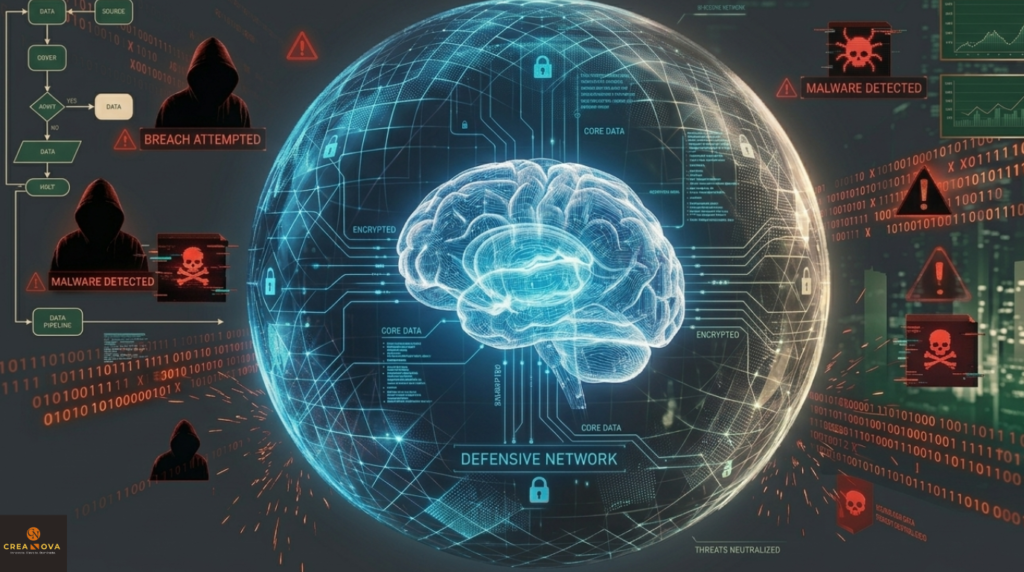
Most companies discover their cybersecurity gaps only after experiencing a breach, yet the most sophisticated attacks now bypass traditional security measures within minutes of deployment. If you’re evaluating premium cybersecurity solutions for companies, you’re likely facing mounting pressure from compliance requirements, escalating threat sophistication, and the need to protect sensitive client data across multiple touchpoints. Leading organizations implementing enterprise-grade cybersecurity frameworks report transformative improvements in threat detection speed and incident response capabilities. This comprehensive guide examines the most effective premium cybersecurity solutions available in 2026, comparing features, implementation strategies, and protection capabilities across different business sectors. You’ll discover exactly which solutions align with your specific industry requirements and budget constraints.
Key Takeaways
- Premium cybersecurity solutions provide multi-layered protection combining AI-driven threat detection, zero-trust architecture, and real-time incident response capabilities.
- Industry-specific compliance requirements significantly influence solution selection, with healthcare and real estate sectors requiring specialized data protection protocols.
- Enterprise-grade solutions offer superior threat intelligence integration and automated response systems compared to basic security packages.
- Implementation success depends on comprehensive staff training, gradual system integration, and continuous monitoring optimization.
Understanding Premium Cybersecurity Solutions
Premium cybersecurity solutions for companies encompass comprehensive security frameworks that extend far beyond traditional antivirus software and firewalls. These enterprise-grade systems integrate multiple protection layers including advanced threat detection, behavioral analytics, and automated incident response capabilities. The most effective premium cybersecurity solutions combine artificial intelligence-driven threat hunting with human expertise to identify and neutralize sophisticated attack vectors before they compromise critical systems.
Modern premium solutions distinguish themselves through their ability to provide continuous monitoring across all network endpoints, cloud environments, and mobile devices. They incorporate zero-trust security models that verify every user and device attempting to access company resources, regardless of their location or previous access history. CISA’s zero-trust framework provides detailed guidance on implementing these advanced security architectures.
The evolution toward cloud-based security operations centers has transformed how companies approach cybersecurity management. Premium solutions now offer 24/7 monitoring through dedicated security teams who can respond to threats in real-time, significantly reducing the window of vulnerability during cyber incidents. For organizations seeking comprehensive digital protection strategies, exploring our services can provide valuable insights into integrated security approaches.
Industry-Specific Cybersecurity Requirements
Healthcare organizations face unique cybersecurity challenges due to HIPAA compliance requirements and the critical nature of patient data protection. Premium cybersecurity solutions for healthcare must include specialized encryption protocols for electronic health records, secure communication channels for telemedicine platforms, and robust access controls that maintain audit trails for regulatory compliance.
Real estate companies require cybersecurity solutions that protect sensitive financial transactions, personal client information, and proprietary market data while maintaining seamless access for mobile agents and remote workers. These solutions must integrate with multiple listing services, customer relationship management systems, and digital transaction platforms without compromising security or user experience.
Business enterprises across various sectors need scalable cybersecurity frameworks that can adapt to changing organizational structures and technology implementations. Premium solutions for general business applications focus on protecting intellectual property, securing communication channels, and maintaining business continuity during cyber incidents. The NIST Cybersecurity Framework provides comprehensive guidance for businesses developing their security strategies.
Each industry vertical requires specific compliance certifications and security standards that influence solution selection and implementation approaches. Understanding these requirements early in the evaluation process ensures that chosen solutions align with regulatory expectations and industry best practices.
Top Enterprise Cybersecurity Solutions for 2026
Leading cybersecurity providers have evolved their offerings to address the sophisticated threat landscape of 2026, with solutions that integrate artificial intelligence, machine learning, and behavioral analytics into comprehensive protection platforms. These enterprise-grade systems provide multi-vector threat protection that adapts to emerging attack methods in real-time.
Next-generation endpoint detection and response solutions represent the current pinnacle of device-level protection, offering capabilities that extend far beyond traditional antivirus software. These systems monitor every process, file modification, and network connection on protected devices, using advanced algorithms to identify suspicious patterns that might indicate compromise attempts.
Cloud security platforms have become essential components of premium cybersecurity strategies, providing protection for hybrid work environments and distributed infrastructure deployments. These solutions offer unified visibility across on-premises systems, cloud applications, and remote worker devices while maintaining consistent security policies regardless of user location.
Security information and event management platforms aggregate and analyze security data from across entire organizational infrastructures, providing security teams with actionable intelligence about potential threats and vulnerabilities. Modern SIEM solutions incorporate artificial intelligence to reduce false positive alerts while ensuring that genuine threats receive immediate attention.
Identity and access management systems form the foundation of zero-trust security architectures, controlling user permissions and device access across all organizational resources. Premium IAM solutions provide single sign-on capabilities, multi-factor authentication, and privileged access management that enhances both security and user experience. For comprehensive coverage of technology trends and implementation strategies, the creanova.in blog offers detailed analysis of emerging cybersecurity developments.
Implementation and Integration Strategies
Successful premium cybersecurity implementation requires careful planning that considers existing technology infrastructure, staff capabilities, and business operational requirements. The most effective implementations follow phased approaches that allow organizations to gradually integrate new security capabilities without disrupting critical business processes.
Initial implementation phases typically focus on establishing baseline security monitoring and endpoint protection across all organizational devices. This foundation provides immediate threat visibility while creating the infrastructure necessary for more advanced security capabilities in subsequent phases.
Staff training and change management represent critical success factors in cybersecurity implementation, as even the most sophisticated solutions can be compromised by human error or insufficient user adoption. Premium implementations include comprehensive training programs that educate users about new security protocols while demonstrating how these changes enhance rather than hinder their daily workflows.
Integration with existing business applications requires careful coordination to ensure that security enhancements don’t disrupt established workflows or create new operational bottlenecks. Professional implementation teams conduct thorough compatibility testing and create custom integration points that maintain security effectiveness while preserving user productivity.
Ongoing optimization and tuning ensure that implemented solutions continue to provide effective protection as threat landscapes evolve and organizational requirements change. This includes regular security assessments, policy updates, and technology refreshes that keep protection capabilities aligned with current best practices.
Cost-Benefit Analysis and ROI Considerations
Premium cybersecurity solutions require significant financial investment, but the cost of inadequate protection often far exceeds the expense of comprehensive security implementations. Organizations evaluating cybersecurity investments must consider both direct costs such as software licensing and implementation services, as well as indirect benefits including reduced downtime risk and improved regulatory compliance.
The total cost of ownership for premium cybersecurity extends beyond initial licensing fees to include ongoing management, training, and maintenance requirements. However, these comprehensive solutions typically provide better cost efficiency compared to managing multiple point solutions that may create security gaps or require additional integration efforts.
Return on investment calculations for cybersecurity solutions must account for risk mitigation value, which can be substantial given the average cost of data breaches and cyber incidents across different industries. Organizations that implement comprehensive security frameworks often experience reduced insurance premiums and improved client confidence that translates into tangible business value.
Budget allocation strategies should consider both immediate security needs and future scalability requirements to ensure that chosen solutions can grow with organizational expansion and evolving threat landscapes. This long-term perspective often justifies higher initial investments in platforms that provide extensive customization and expansion capabilities.
Future-Proofing Your Cybersecurity Investment
The cybersecurity landscape continues evolving rapidly, with artificial intelligence and machine learning becoming increasingly central to both attack methods and defense strategies. Organizations investing in premium cybersecurity solutions must ensure their chosen platforms can incorporate emerging technologies and adapt to new threat vectors as they develop.
Quantum computing represents a significant future consideration for cybersecurity planning, as quantum-resistant encryption methods will eventually become necessary to maintain data protection effectiveness. Premium solution providers are already developing quantum-safe cryptographic capabilities that will ensure long-term security viability.
The integration of artificial intelligence into cybersecurity operations will continue expanding, with AI-driven threat hunting and automated response capabilities becoming standard features rather than premium additions. Organizations should prioritize solutions that demonstrate clear AI development roadmaps and provide regular capability updates.
Regulatory compliance requirements will likely become more stringent and comprehensive as governments respond to increasing cyber threats against critical infrastructure and sensitive data. Choosing solutions with strong compliance frameworks and regular certification updates helps ensure ongoing regulatory alignment. For organizations ready to enhance their cybersecurity posture with expert guidance, you can contact us to discuss customized security solutions.
Frequently Asked Questions
What makes cybersecurity solutions “premium” compared to basic security packages?
Premium cybersecurity solutions provide comprehensive multi-layered protection including AI-driven threat detection, 24/7 monitoring, zero-trust architecture, and dedicated incident response teams. They offer advanced features like behavioral analytics, automated threat hunting, and integration capabilities that basic packages cannot match.
How long does it typically take to implement premium cybersecurity solutions?
Implementation timelines range from 3-6 months for comprehensive enterprise deployments, depending on organizational size and complexity. Phased approaches allow critical protection to begin within the first month while advanced features are gradually integrated over the full implementation period.
Which industries benefit most from premium cybersecurity investments?
Healthcare, financial services, real estate, and legal sectors see the highest ROI from premium cybersecurity due to strict compliance requirements and high-value data protection needs. However, any organization handling sensitive customer data or critical business operations benefits significantly from enterprise-grade security.
Can premium cybersecurity solutions integrate with existing business software?
Yes, modern premium cybersecurity platforms are designed for seamless integration with existing business applications through APIs and custom connectors. Professional implementation teams ensure compatibility with current software while maintaining security effectiveness and user productivity.
What ongoing maintenance do premium cybersecurity solutions require?
Ongoing maintenance includes regular policy updates, security assessments, staff training refreshers, and system optimization based on evolving threats. Most premium solutions include managed services that handle these requirements automatically, reducing internal IT burden while maintaining protection effectiveness.
Implementing premium cybersecurity solutions requires expert guidance to ensure maximum protection and seamless integration with your existing business operations.
We believe in transforming ideas into reality. Our team of experts specializes in web development, social media management, content strategy, and AI-powered photo and video creation, ensuring your brand stands out in the digital space.