
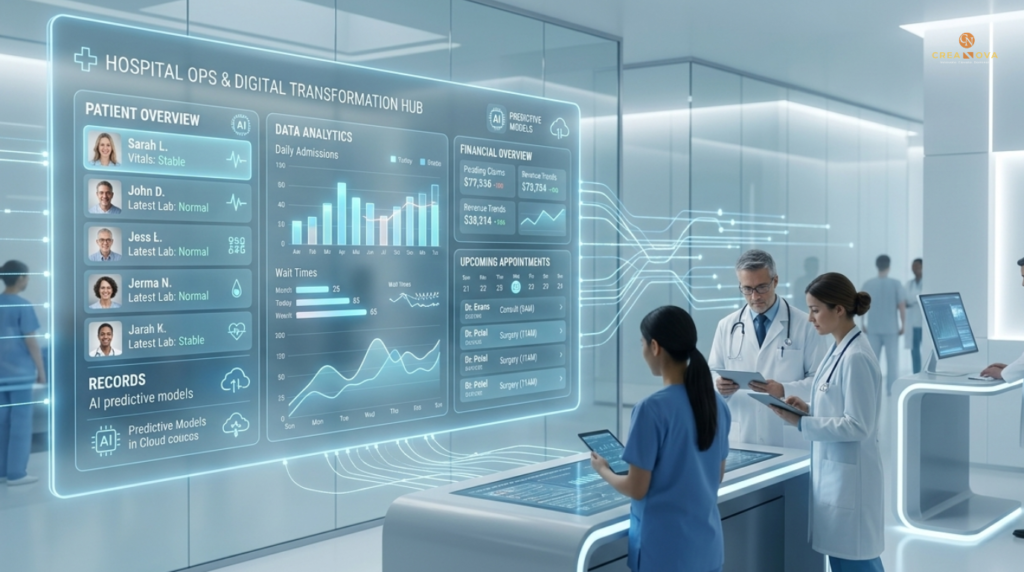
Over 73% of hospitals that implement comprehensive management software systems report a 40% reduction in administrative errors within the first six months. Yet many healthcare administrators struggle with outdated systems that create bottlenecks, increase costs, and compromise patient care quality. The right hospital management software can transform your facility’s operations, streamlining everything from patient registration to billing and inventory management. In this comprehensive guide, you’ll discover the top-performing HMS solutions for 2026, their unique features, pricing models, and implementation strategies. We’ll also reveal the critical factors that separate industry-leading systems from basic alternatives, helping you make an informed investment decision.
Key Takeaways
- Cloud-based hospital management systems offer 99.9% uptime reliability and reduce IT infrastructure costs by up to 60% compared to on-premise solutions.
- The most effective HMS implementations include integrated EHR capabilities, real-time analytics dashboards, and automated billing processes that eliminate manual data entry errors.
- Leading hospital management software systems in 2026 feature AI-powered patient flow optimization and predictive analytics for resource allocation.
- Successful HMS deployment typically requires 3-6 months for full implementation with proper staff training and data migration protocols.
Essential Features of Modern Hospital Management Software
The most effective hospital management systems integrate multiple operational modules into a single, cohesive platform that eliminates data silos and reduces administrative overhead. Modern HMS solutions have evolved far beyond basic patient registration, now incorporating advanced analytics, mobile accessibility, and automated workflows that transform healthcare delivery.
Patient Management and Electronic Health Records (EHR) integration stands as the cornerstone of any robust HMS platform. This includes comprehensive patient registration, appointment scheduling, medical history tracking, and seamless communication between departments. The system should automatically sync patient data across all touchpoints, from admission to discharge, ensuring continuity of care.
Financial management capabilities have become increasingly sophisticated, with leading systems offering real-time billing, insurance claim processing, and revenue cycle management. According to CMS guidelines, hospitals must maintain accurate billing records and automated compliance reporting, making integrated financial modules essential.
Inventory and pharmacy management features prevent stockouts and reduce waste through automated reordering, expiration date tracking, and usage analytics. These modules connect directly with supplier systems and maintain regulatory compliance for controlled substances and medical devices.
Laboratory and diagnostic integration enables seamless test ordering, result reporting, and critical value alerts. The best systems support HL7 FHIR standards for interoperability with external lab networks and diagnostic equipment, as outlined in federal interoperability requirements.
Top Hospital Management Software Systems for 2026
Epic Systems continues to dominate large hospital networks with its comprehensive MyChart patient portal and robust analytics suite. Epic’s strength lies in its extensive customization options and proven scalability for multi-facility health systems. The platform excels in specialty care coordination and offers advanced population health management tools.
Cerner PowerChart provides strong clinical decision support and medication management capabilities, particularly suited for medium to large hospitals. Their real-time health data platform integrates seamlessly with IoT devices and wearable technology, enabling continuous patient monitoring and early intervention protocols.
Meditech Expanse represents the new generation of cloud-native HMS solutions, offering intuitive user interfaces and rapid deployment capabilities. This system particularly appeals to community hospitals seeking modern functionality without extensive IT infrastructure requirements.
allscripts offers flexible deployment options with strong ambulatory care integration, making it ideal for hospitals with extensive outpatient services. Their Developer Program enables custom integrations with specialized medical equipment and third-party applications.
NextGen Healthcare focuses on integrated EHR and practice management for smaller hospitals and specialty clinics. Their patient engagement tools include automated appointment reminders, telehealth capabilities, and mobile health apps that improve patient satisfaction scores.
For healthcare organizations exploring digital transformation beyond HMS implementation, our team at our services provides comprehensive technology consulting and system integration support.
Implementation and Integration Strategies
Hospital management software implementation requires careful planning and phased deployment to minimize operational disruption while ensuring staff adoption. The most successful implementations follow a structured approach that addresses technical requirements, workflow optimization, and change management simultaneously.
Data migration planning begins 6-8 weeks before system launch, involving comprehensive auditing of existing records, standardization of data formats, and creation of backup protocols. Legacy system integration often presents the biggest challenge, requiring custom APIs or middleware solutions to maintain connectivity with specialized medical devices.
Staff training programs must begin at least 4 weeks before go-live, with role-specific modules that address daily workflows and emergency procedures. Leading implementations include super-user certification programs where select staff members receive advanced training to support their colleagues during the transition period.
Network infrastructure assessment ensures adequate bandwidth and security protocols for cloud-based systems. Hospitals typically require dedicated internet connections with redundant failover options to maintain 24/7 system availability for critical patient care functions.
Integration testing validates connections between HMS modules, external systems, and medical devices. This includes laboratory information systems, radiology networks, and pharmacy automation systems that must communicate seamlessly with the new platform.
Change management strategies address resistance to new workflows and ensure sustained adoption. Regular feedback sessions, workflow optimization meetings, and ongoing technical support help staff adapt to new processes and maximize system benefits.
Pricing Models and Cost Considerations
Hospital management software pricing varies significantly based on deployment model, facility size, and feature requirements. Understanding total cost of ownership helps healthcare administrators make informed budget decisions and avoid unexpected expenses during implementation and operation.
Cloud-based HMS solutions typically charge per-bed or per-user monthly fees ranging from $200-800 per bed depending on functionality and support levels. These subscriptions include software licensing, hosting, security, and basic technical support, making budget planning more predictable.
On-premise installations require substantial upfront capital investment for software licenses, server hardware, and infrastructure setup, typically ranging from $50,000-500,000 for initial deployment. Ongoing costs include maintenance fees, security updates, and dedicated IT staff for system administration.
Implementation services add 15-30% to total project costs, covering data migration, staff training, workflow optimization, and technical integration. Many vendors offer fixed-price implementation packages that include project management and go-live support to control these expenses.
Hidden costs often include interface development for legacy systems, additional user licenses as staff grows, and premium support packages for 24/7 technical assistance. Budget planning should account for these variables and include contingency funds for unexpected integration challenges.
Return on investment typically materializes within 12-18 months through reduced administrative costs, improved billing accuracy, and enhanced operational efficiency. Many hospitals report 20-35% reduction in manual processes and significant improvements in patient satisfaction scores.
How to Choose the Right System for Your Hospital
Selecting the optimal hospital management software requires systematic evaluation of your facility’s specific needs, existing infrastructure, and long-term strategic goals. The decision impacts daily operations for years to come, making thorough vendor assessment and pilot testing essential components of the selection process.
Facility size and complexity directly influence system requirements, with critical access hospitals having different needs than major medical centers. Small hospitals may prioritize ease of use and quick implementation, while large health systems require extensive customization and integration capabilities.
Specialty care requirements demand specific modules and workflows that not all HMS vendors support equally well. Pediatric hospitals need age-specific dosing calculators and growth charts, while cardiac centers require integration with specialized monitoring equipment and cathlab systems.
Vendor stability and market presence indicate long-term viability and continued product development, crucial factors for systems that hospitals depend on for decades. Research vendor financial health, customer retention rates, and product roadmaps to ensure sustainable partnerships.
Technical architecture evaluation includes security protocols, disaster recovery capabilities, and upgrade pathways. Modern systems should support single sign-on authentication, role-based access controls, and comprehensive audit trails for regulatory compliance.
Reference site visits provide invaluable insights into real-world system performance and user satisfaction. Speaking directly with peer hospitals using candidate systems reveals practical advantages and limitations that vendor demonstrations may not fully address.
For hospitals considering comprehensive digital transformation alongside HMS implementation, our expertise in healthcare technology solutions can be explored through our creanova.in blog where we share insights on emerging healthcare technologies and implementation best practices.
Frequently Asked Questions
How long does hospital management software implementation typically take?
Most hospital management software implementations take 3-6 months for complete deployment, including data migration, staff training, and system optimization. Large multi-facility health systems may require 9-12 months for full implementation across all locations with proper testing and workflow integration.
What is the average cost of hospital management software per bed?
Cloud-based hospital management software typically costs $200-800 per bed per month, depending on features and support levels. On-premise solutions require $1,000-3,000 per bed in upfront licensing plus ongoing maintenance fees of 15-20% annually.
Can hospital management software integrate with existing EHR systems?
Yes, modern hospital management software supports HL7 FHIR standards for seamless integration with existing EHR systems. Most leading HMS vendors provide pre-built connectors for popular EHR platforms like Epic, Cerner, and allscripts, though custom integration may be required for specialized systems.
Which hospital management software is best for small hospitals?
Meditech Expanse and NextGen Healthcare are particularly well-suited for small hospitals due to their cloud-native architecture, intuitive interfaces, and lower implementation complexity. These systems offer essential HMS functionality without requiring extensive IT infrastructure or dedicated technical staff.
What security features should hospital management software include?
Essential security features include HIPAA compliance, end-to-end encryption, role-based access controls, audit trails, and automatic session timeouts. Leading systems also provide multi-factor authentication, intrusion detection, and regular security assessments to protect patient data and maintain regulatory compliance.
Implementing the right hospital management software requires strategic planning and technical expertise to ensure successful deployment and optimal performance.
We believe in transforming ideas into reality. Our team of experts specializes in web development, social media management, content strategy, and AI-powered photo and video creation, ensuring your brand stands out in the digital space.
Ready to explore how technology solutions can transform your healthcare operations? Contact us to discuss your hospital’s digital transformation needs and discover how our expertise in healthcare technology can support your implementation goals.