
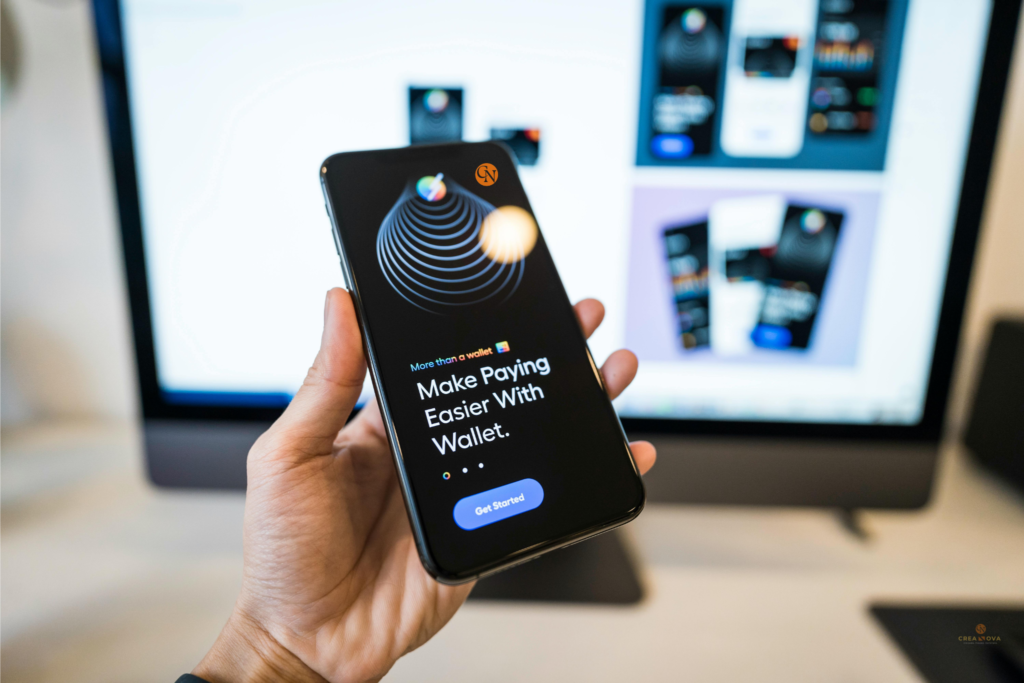
Over 90% of mobile users spend their time in apps rather than mobile browsers, yet most businesses still rely solely on websites to engage their customers. If you’re running a real estate agency, hospital, or business without a dedicated mobile app, you’re likely losing potential clients to competitors who offer seamless mobile experiences. The most effective way to order custom business mobile app development is to partner with experienced developers who understand your industry’s specific requirements and can deliver native iOS and Android solutions. In this comprehensive guide, you’ll discover how to navigate the custom app development process, choose the right features for your business type, and ensure your investment delivers measurable ROI. We’ll walk you through proven strategies that have helped hundreds of businesses transform their operations through strategic mobile app deployment.
Key Takeaways
- Custom business mobile apps require 12-16 weeks for full development including testing and deployment phases.
- Native app development delivers superior performance compared to hybrid solutions for business-critical applications.
- Real estate apps should prioritize property search, virtual tours, and client communication features for maximum engagement.
- Healthcare mobile apps must comply with HIPAA regulations and include secure patient data management systems.
Essential Features for Business Mobile Apps in 2026
When you order custom business mobile app development, understanding which features drive user engagement and business growth becomes crucial for project success. Modern business apps require user authentication, push notifications, offline functionality, and seamless integration with existing business systems to deliver meaningful value. These core components form the foundation upon which industry-specific features are built.
User authentication systems have evolved significantly, with biometric login options becoming standard expectations rather than luxury features. Your custom app should incorporate fingerprint, face recognition, or voice authentication alongside traditional password options. This approach reduces friction while maintaining security standards that NIST cybersecurity guidelines recommend for business applications.
Push notification strategies can make or break user engagement rates. However, most businesses overuse this feature, leading to app uninstalls. Effective push notifications are personalized, timely, and provide clear value to the recipient rather than generic promotional messages. Consider implementing smart notification scheduling that respects user time zones and activity patterns.
Integration Capabilities That Matter
Your mobile app’s success depends heavily on how well it integrates with your existing business infrastructure. CRM systems, payment processors, inventory management platforms, and analytics tools should connect seamlessly through robust API architecture. This integration enables real-time data synchronization and eliminates the need for manual data entry across multiple platforms.
For comprehensive insights on mobile app integration strategies, explore our detailed analysis on the Creanova. in blog, where we cover advanced implementation techniques and best practices.
Understanding the Custom App Development Process
Custom business mobile app development follows a structured six-phase process: discovery and planning, UI/UX design, development, testing, deployment, and ongoing maintenance. Each phase requires specific deliverables and client approval before progressing to the next stage, ensuring the final product meets your exact business requirements.
The discovery phase involves comprehensive business analysis, competitor research, and technical requirement documentation. During this critical first step, development teams identify your app’s core objectives, target audience behaviors, and integration requirements. This foundation work typically takes 2-3 weeks but prevents costly changes during later development phases.
UI/UX design phases focus on creating intuitive user experiences that align with your brand identity and customer expectations. Professional designers develop wireframes, prototypes, and interactive mockups that allow you to visualize the final product before development begins. Apple’s Human Interface Guidelines and Google’s Material Design principles guide this process to ensure platform-specific optimization.
Development and Testing Phases
The development phase involves writing clean, scalable code using native programming languages or cross-platform frameworks depending on your project requirements. Experienced development teams follow agile methodologies, providing regular progress updates and allowing for iterative feedback throughout the build process.
Quality assurance testing encompasses functionality testing, performance optimization, security audits, and device compatibility verification. This comprehensive testing approach identifies and resolves issues before your app reaches end users, protecting your brand reputation and ensuring smooth user experiences across different devices and operating system versions.
Industry-Specific Mobile App Solutions
Real estate professionals require mobile apps that streamline property management, client communication, and transaction processes. Successful real estate apps integrate MLS data feeds, virtual tour capabilities, mortgage calculators, and secure document sharing to create comprehensive client service platforms. These features enable agents to provide immediate property information, schedule viewings, and maintain client relationships from anywhere.
Location-based services become particularly important for real estate applications. GPS functionality combined with augmented reality features allows clients to explore neighborhoods, view nearby amenities, and access property details simply by pointing their phone camera at buildings. This technology creates engaging experiences that differentiate your services from traditional real estate marketing approaches.
Healthcare Mobile App Requirements
Healthcare organizations face unique challenges when developing mobile applications, primarily due to strict regulatory compliance requirements and patient data security concerns. Hospital and clinic apps must incorporate HIPAA-compliant data handling, secure messaging systems, appointment scheduling, and integration with electronic health records (EHR) systems.
Patient portal functionality enables secure access to medical records, test results, prescription management, and telehealth capabilities. These features improve patient engagement while reducing administrative burden on medical staff. However, implementing these systems requires specialized knowledge of healthcare regulations and security protocols.
General Business App Considerations
Business mobile apps serve diverse purposes including customer engagement, employee productivity, inventory management, and sales optimization. The most effective business apps focus on solving specific operational challenges rather than attempting to replicate entire business processes within mobile interfaces. This targeted approach ensures better user adoption and measurable business impact.
Customer-facing business apps should prioritize ease of use, fast loading times, and clear value propositions. Internal business apps can accommodate more complex functionality but still require intuitive navigation and efficient workflows to gain employee acceptance and drive productivity improvements.
Development Costs and Timeline Expectations
Custom business mobile app development timelines vary significantly based on complexity, feature requirements, and integration needs. Simple business apps typically require 8-12 weeks for development, while complex applications with extensive integrations and custom features may take 16-24 weeks to complete. Understanding these timeframes helps you plan launch strategies and coordinate with other business initiatives.
Several factors influence development timelines including the number of user types, integration complexity, custom animations, and security requirements. Apps requiring regulatory compliance, such as healthcare or financial applications, need additional time for security audits and compliance verification processes.
Development costs reflect the complexity and quality of your final product. While specific pricing varies based on project scope, investing in experienced development teams typically delivers better long-term value through cleaner code, better security, and more efficient maintenance processes.
Factors Affecting Project Scope
Platform selection significantly impacts both timeline and budget considerations. Native iOS and Android development requires separate codebases but delivers optimal performance and platform-specific features. Cross-platform development using frameworks like React Native or Flutter can reduce initial development time but may require additional optimization work for complex business logic.
Third-party integrations add complexity but provide essential functionality for most business applications. Payment processing, analytics platforms, customer relationship management systems, and cloud storage solutions require careful implementation to ensure data security and system reliability.
Choosing the Right Development Partner
The most effective way to select a mobile app development partner is to evaluate their industry experience, technical expertise, and post-launch support capabilities rather than focusing solely on initial project costs. Experienced development teams understand common business challenges and can recommend solutions that you might not have considered during initial planning phases.
Portfolio evaluation should focus on apps similar to your business requirements rather than just visually impressive projects. Look for development partners who have successfully delivered applications in your industry and can demonstrate measurable results from their previous work. Client testimonials and case studies provide valuable insights into their problem-solving abilities and communication practices.
Technical expertise extends beyond basic app development skills to include security implementation, performance optimization, and ongoing maintenance capabilities. Your development partner should understand current mobile technology trends while maintaining focus on proven, stable solutions for business-critical applications.
Communication and Project Management
Clear communication protocols and project management systems ensure smooth development processes and timely deliverables. Professional development teams provide regular progress updates, maintain detailed project documentation, and offer transparent reporting on timeline and budget status throughout the development cycle.
To explore comprehensive mobile app development services and discuss your specific project requirements, contact us for a detailed consultation and project assessment.
Ensuring Post-Launch Success and Growth
Successful mobile app launches require strategic planning that extends far beyond development completion. App store optimization, user onboarding experiences, and performance monitoring systems must be implemented before launch to maximize initial user acquisition and retention rates. These foundational elements determine whether your investment generates positive ROI within the first few months of operation.
App store optimization involves crafting compelling descriptions, selecting relevant keywords, and creating attractive screenshots that accurately represent your app’s value proposition. Apple App Store guidelines and Google Play policies provide specific requirements that must be followed to ensure approval and visibility in search results.
User onboarding sequences should guide new users through your app’s core features while demonstrating immediate value. Effective onboarding reduces abandonment rates and increases the likelihood that users will engage with your app regularly. Consider implementing progressive disclosure techniques that reveal advanced features as users become more comfortable with basic functionality.
Ongoing Maintenance and Updates
Mobile app maintenance requires regular updates to address security vulnerabilities, operating system changes, and user feedback. Planning for ongoing maintenance costs and update schedules ensures your app remains functional and competitive as mobile platforms evolve.
Analytics implementation provides crucial insights into user behavior, feature usage, and performance metrics. This data guides future development decisions and helps identify opportunities for improving user experiences and business outcomes through targeted updates and enhancements.
Our comprehensive approach to mobile app development encompasses all aspects of the development lifecycle. Learn more about our services and how we support businesses through every stage of their mobile app journey.
Frequently Asked Questions
How long does custom business mobile app development take?
Custom business mobile app development typically takes 12-16 weeks, including design, development, testing, and deployment phases. Complex apps with extensive integrations may require 20-24 weeks, while simpler applications can be completed in 8-10 weeks, depending on feature requirements.
What features should I include in my business mobile app?
Essential business mobile app features include user authentication, push notifications, offline functionality, and integration with existing business systems. Industry-specific features vary but commonly include customer portals, appointment scheduling, payment processing, and analytics dashboards.
Should I choose native or cross-platform app development?
Native app development delivers superior performance and platform-specific features for business-critical applications. Cross-platform development can reduce initial costs and timeline, but may require additional optimization work for complex business logic and integrations.
How much does custom business mobile app development cost?
Custom business mobile app development costs vary based on complexity, features, and platform requirements. Simple business apps typically start around $15,000-30,000, while complex applications with extensive integrations can range from $50,000-100,000 or more, depending on specific requirements.
What ongoing maintenance do mobile apps require?
Mobile apps require regular updates for security patches, operating system compatibility, bug fixes, and feature enhancements. Typical maintenance costs range from 15-20% of initial development costs annually and include monitoring, updates, and technical support services.
Ready to transform your business operations with a custom mobile app that drives real results?
We believe in transforming ideas into reality. Our team of experts specializes in web development, social media management, content strategy, and AI-powered photo and video creation, ensuring your brand stands out in the digital space.